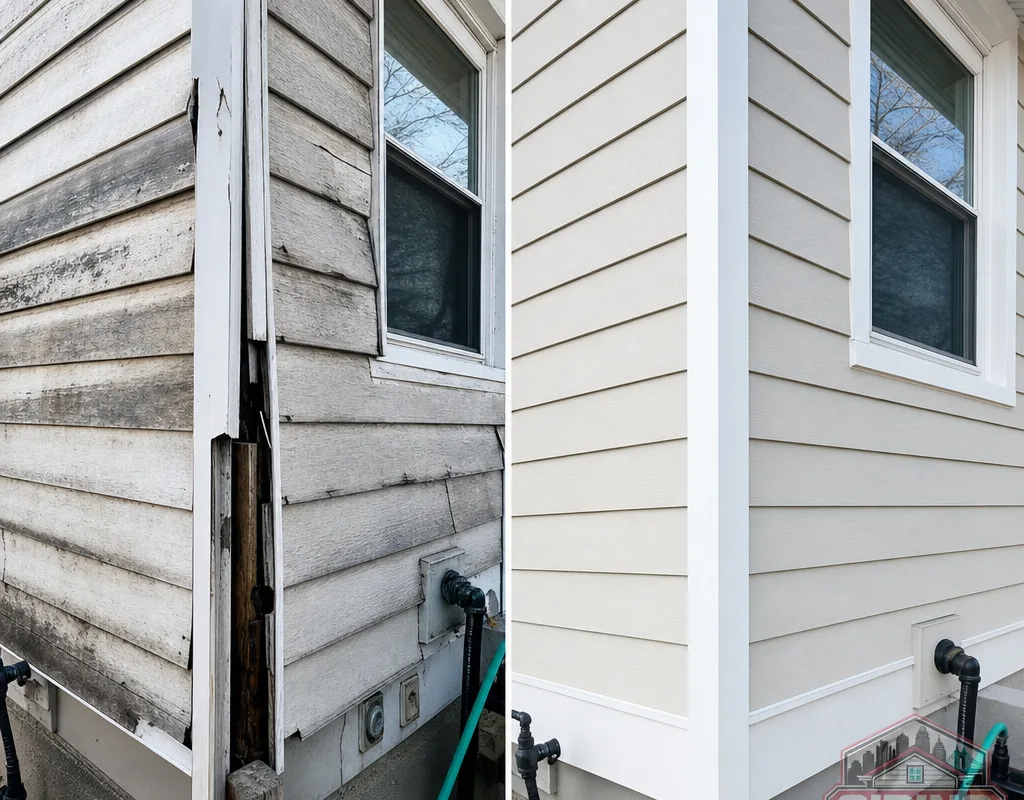
Scope
Clear scope, not vague allowances
The written scope should spell out tear-off or overlay, substrate repairs, moisture barrier details, trim approach, and disposal before work starts.
Siding installation · Cincinnati, Ohio
Get a clean install, straight answers on material and scope, and a plan that fits Cincinnati weather and older housing details.
Built for local exterior conditions
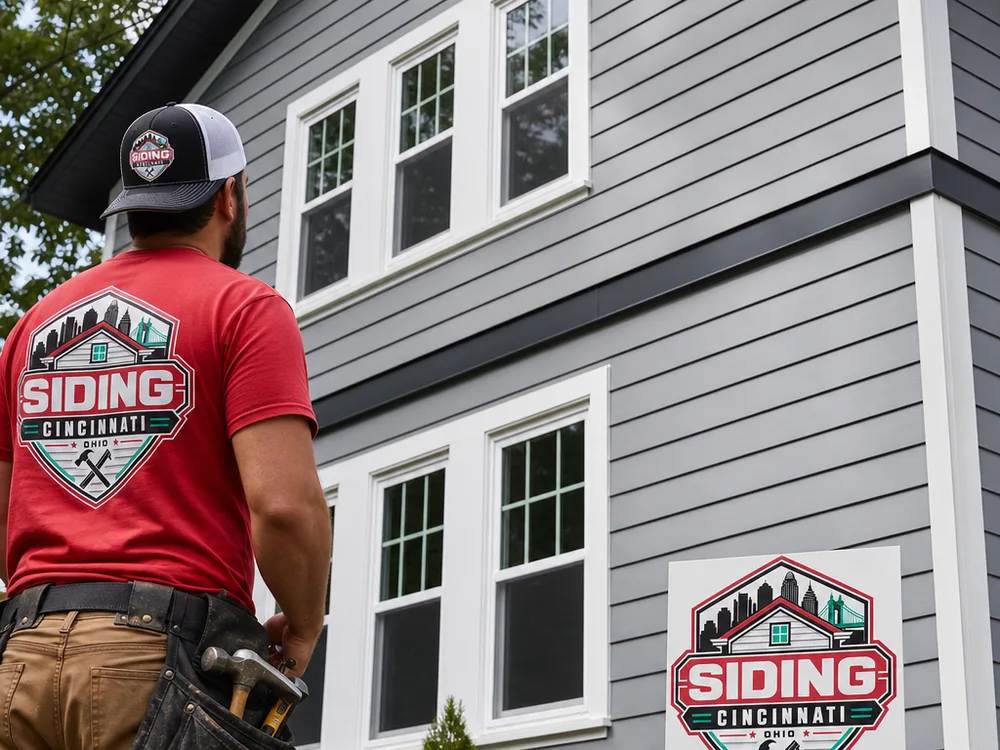
If you are searching for siding installers Cincinnati homeowners can rely on, you are probably trying to solve one of three problems: aging materials that are cracking or warping, recurring leaks around windows and trim, or an exterior that is overdue for a full replacement. Qualified siding contractors approach repair and replacement with a builder's mindset: address water management first, then install the cladding correctly so it stays flat, drains well, and looks right.
Cincinnati's freeze and thaw swings, wind-driven rain, and humid summers punish loose trim, open seams, and failed caulk. On top of that, a lot of homes in neighborhoods like Hyde Park and Oakley have older detailing and layered remodel history, which means good siding work is as much about careful tie-ins as it is about hanging panels. Correct flashing at openings, proper housewrap and drainage details, and neat, consistent courses should all be included in the scope.
You will get a written scope that calls out what is being removed, what gets repaired underneath, and how transitions are handled at windows, doors, corners, soffit, and fascia. If you are comparing contractors, that kind of detail is what lets you compare bids fairly.
Installation standards
Scope
The written scope should spell out tear-off or overlay, substrate repairs, moisture barrier details, trim approach, and disposal before work starts.
Weather barrier
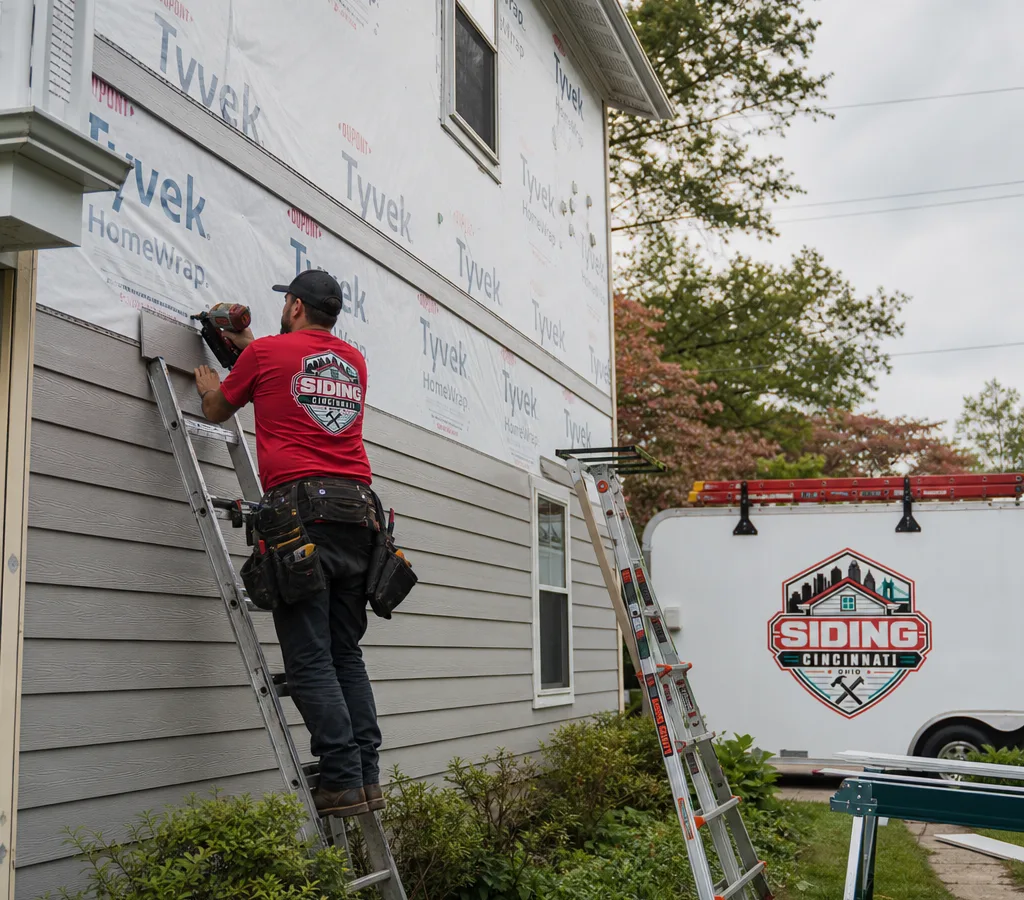
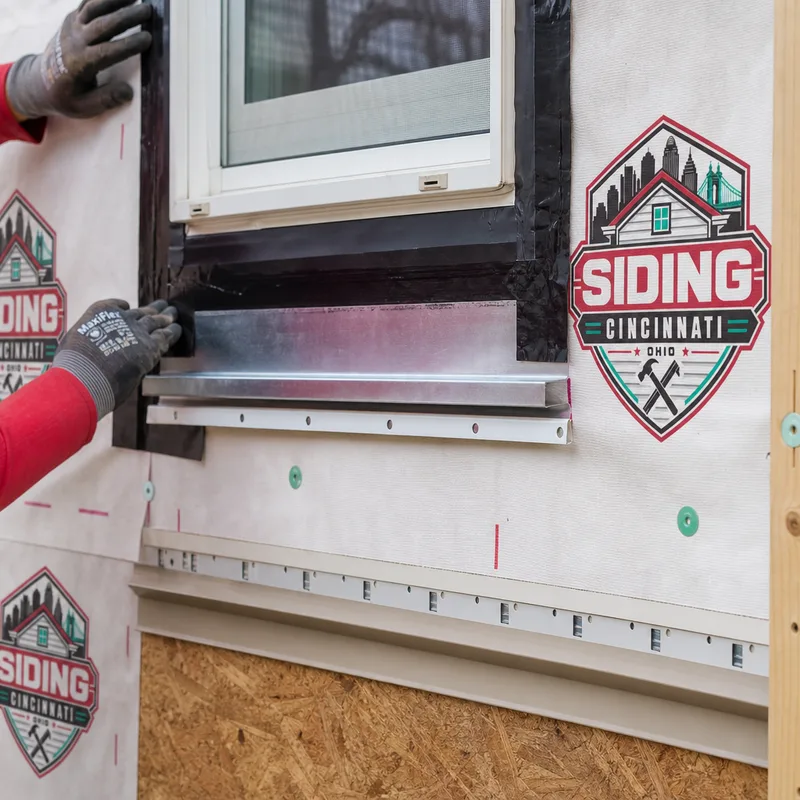
Siding is not waterproof by itself. Properly lapped housewrap, kickout flashing where roofs meet walls, and clean flashing at windows and doors provide drainage.
Layout
Good siding looks uniform because starter strips, corners, reveal, fastening, and layout stay consistent without waves or misaligned seams.
Materials
Vinyl, fiber cement, engineered wood, and composite trim all behave differently. A contractor should explain what fits the home's detailing, exposure, and maintenance preferences.
Repairs
If a full replacement is unnecessary, the failed areas should be addressed first: broken panels, loose sections, rotted trim, or leak-prone transitions that keep coming back.
Right-size the repair
A targeted siding repair is usually the right move when the damage is localized and the rest of the wall system is sound. Typical repair calls include storm damage, a few cracked or melted panels, loose corners, or trim that has started to rot near a downspout or splash zone.
Replacement becomes the better choice when problems repeat, when multiple elevations show movement or deterioration, or when you are seeing signs that the layer beneath the siding is compromised. Practical red flags include soft sheathing, staining inside around openings, persistent caulk failures, bulging courses, or widespread cracking and brittleness.
In Cincinnati, contractors often encounter issues around roof-to-wall intersections and older window openings that were never properly flashed. With recurring leaks, opening and flashing details should be treated as part of the siding job, not an extra.
For a broader overview, Siding Cincinnati Ohio outlines common exterior project considerations for local homes.
Assessment to walkthrough
The contractor reviews the full exterior and leak-prone areas such as windows, doors, rooflines, decks, and penetrations, along with soft spots, prior patches, and roof drainage.
You get a clear scope with the chosen siding type, trim plan, and how transitions are handled. Colors, profiles, and matching needs for partial repairs are confirmed.
Landscaping and access points are protected before materials included in the scope are removed. Underlayment and substrate conditions get addressed before any new siding goes on.
The moisture barrier and flashing details are installed first, followed by siding installed to manufacturer requirements for spacing, nailing, and expansion. Corners, starter strips, and trim get set to keep courses straight.
The contractor should magnet-sweep the work area, remove debris, and review finishes, seams, and touch-ups. You will know what was repaired under the siding and what to watch over time.
Planning and pricing
Most siding installation projects in Cincinnati typically range from about $8,000 to $30,000+, with smaller repairs often running $300 to $1,500. A single elevation or smaller home tends to land on the lower end, while full tear-off, multiple stories, and premium materials raise the total.
Your price depends on square footage, number of corners and openings, access and staging, how much old siding is removed, trim and soffit/fascia scope, and what is found underneath, including sheathing repairs, flashing fixes, and rot. The exact cost is confirmed after an on-site inspection and a written scope.
Homeowner questions
Most siding replacements take several days to about two weeks, depending on home size, stories, tear-off scope, and weather. Rain delays matter because housewrap, flashing, and substrate repairs need dry conditions for proper adhesion and sealing.
Either approach may be possible, but full removal is often the best way to confirm the condition of sheathing, flashing, and framing and to correct water-intrusion issues. Overlay can make sense when the existing layer is flat, stable, and the details at openings and transitions can still be handled correctly.
Vinyl and fiber cement are both common choices in Cincinnati, and each can perform well when installed to manufacturer requirements with proper flashing and ventilation. The right pick depends on how much maintenance you want, the look you are after, and whether your home's detailing needs wider trim or more rigid profiles.
Sometimes, but an exact match depends on the brand, profile, and how much the current siding has faded. During the site visit, the contractor can check identifying marks and measure the profile to source the closest available match or recommend an intentional-looking repair strategy.
A solid quote should identify the material and profile, tear-off versus overlay, underlayment and flashing approach, trim scope, disposal, and what happens if rot or sheathing damage is found. Request a written scope so proposals can be compared using the same assumptions.
New siding can reduce air leakage when gaps at penetrations and the wall's weather-resistive barrier are addressed, but siding alone is not insulation. If energy performance is a priority, ask the contractor about insulated vinyl, appropriate foam-board strategies, and air-sealing opportunities accessible during the project.
Plan the next step
Share details about leaks, rot, storm damage, or a full exterior update to request a connection with a local contractor for a Cincinnati site visit.