
Weather barrier
Moisture control first
Siding is cladding, not waterproofing. Housewrap continuity and flashing at windows, doors, and horizontal transitions give bulk water a path out.
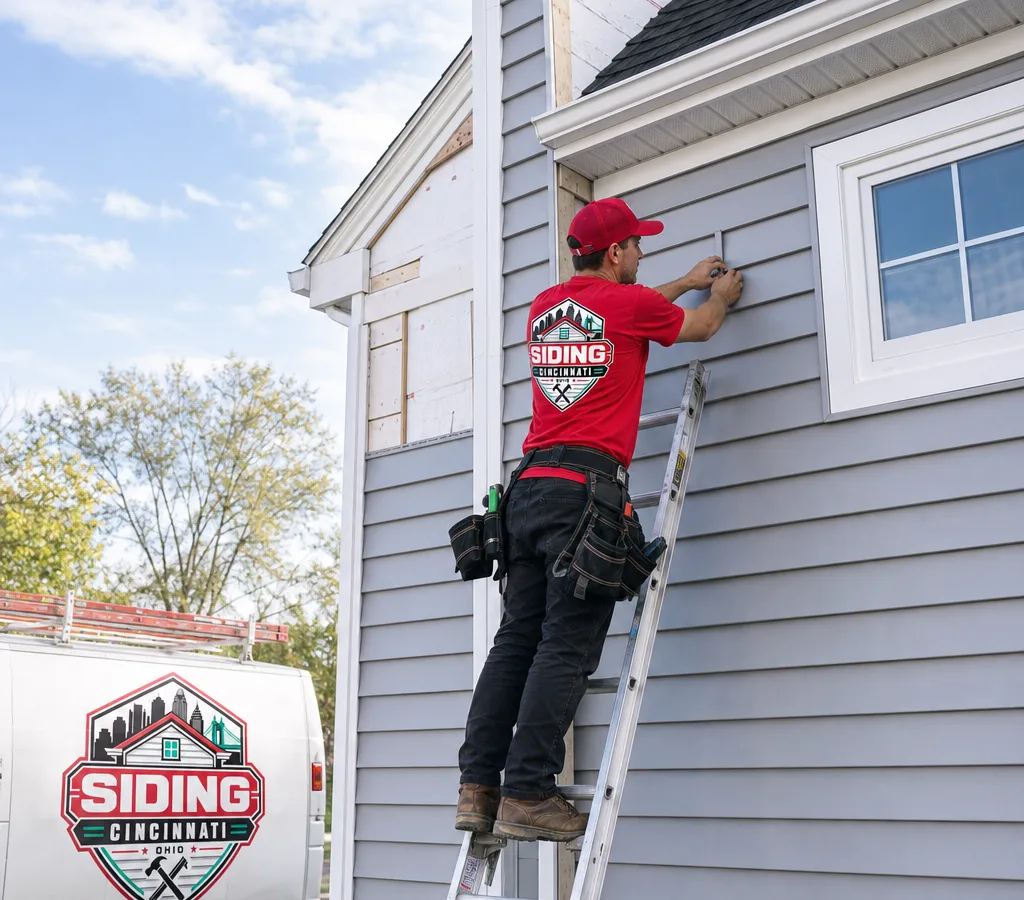
Vinyl siding · Cincinnati, Ohio
Get durable curb appeal with clean, code-aware installation built for Cincinnati's freeze-thaw swings, spring storms, and humid summers. Local contractors provide replacement, new installation, and the small details that keep siding looking straight and tight.
Performance starts behind the panels
If you're shopping vinyl siding Cincinnati Ohio homeowners trust, focus on the parts you can't easily see once the job is done: how the wall is prepped, how water is managed, and whether the siding is allowed to expand and contract.
Vinyl moves with temperature changes. In Cincinnati, that matters because hot, humid summers and cold snaps that can put stress on tight, over-nailed panels. A good install leaves room for expansion at trim channels, keeps fasteners centered and not driven hard, and uses straight reference lines so courses don't drift.
Qualified siding contractors in Cincinnati should approach each project as a system: wall condition, moisture control, flashing integration, and finish work around windows, doors, and penetrations. The goal is simple: siding that looks sharp from the curb and stays stable through Ohio weather.
For broader exterior information, review the Cincinnati siding overview and service area.
Installation and replacement
Local siding installers in Cincinnati provide vinyl siding installation and replacement for residential properties, including full tear-offs and re-siding over appropriate substrates when conditions allow.
Common project needs around Cincinnati include older wood siding that's tired or high-maintenance, patchy past repairs that no longer match, and moisture issues around window and door trim where flashing details were skipped.
Typical scope items include:
Cincinnati neighborhoods can vary a lot in home shapes and wall conditions. A straightforward boxy elevation is different from a home with multiple bump-outs, bay windows, and layered rooflines. Pricing and planning should be based on actual wall conditions, not a generic square-foot guess.
Wall-system details
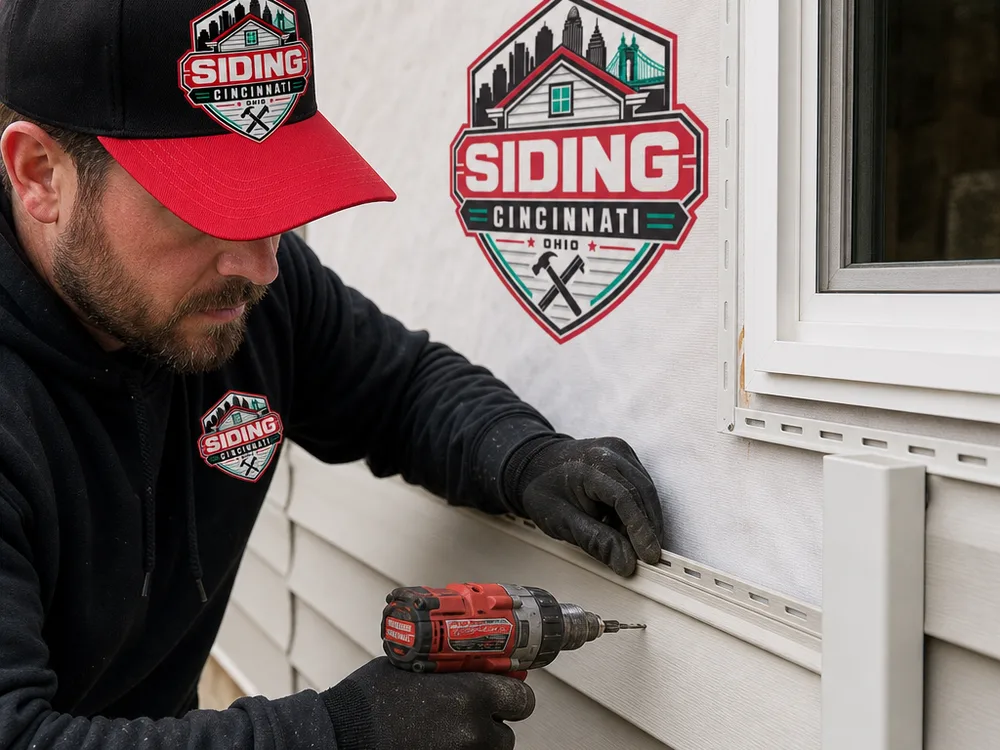
Weather barrier
Siding is cladding, not waterproofing. Housewrap continuity and flashing at windows, doors, and horizontal transitions give bulk water a path out.
Fastening
Panels are fastened to allow movement, with nails placed correctly and not over-driven. This helps prevent oil-canning, buckling, and noisy movement.
Alignment
Reference lines should be snapped and checked so courses stay level across wide elevations. You notice straightness most on the front of the house and along window heads.
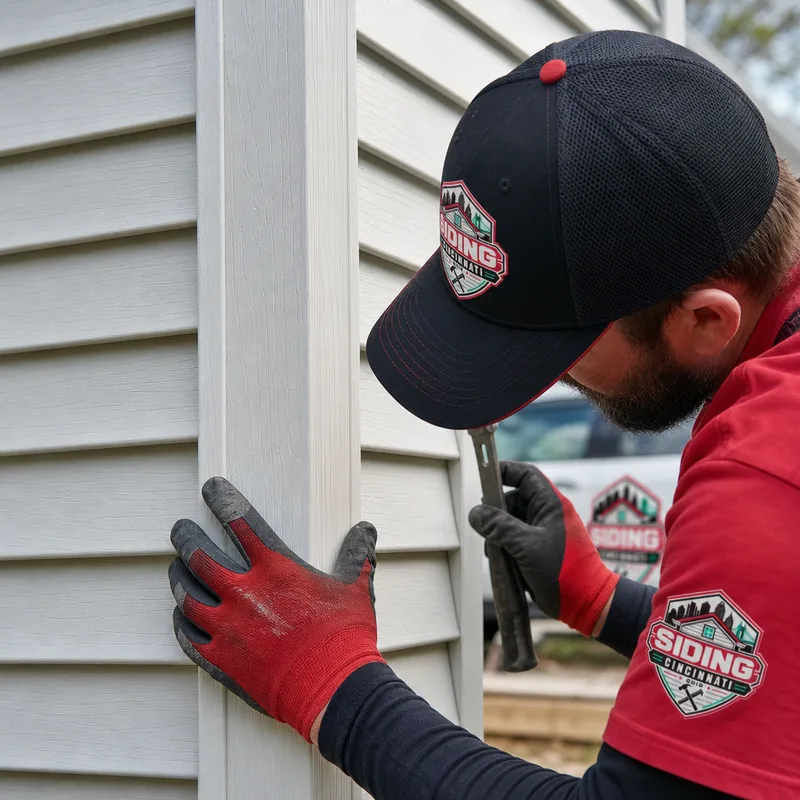
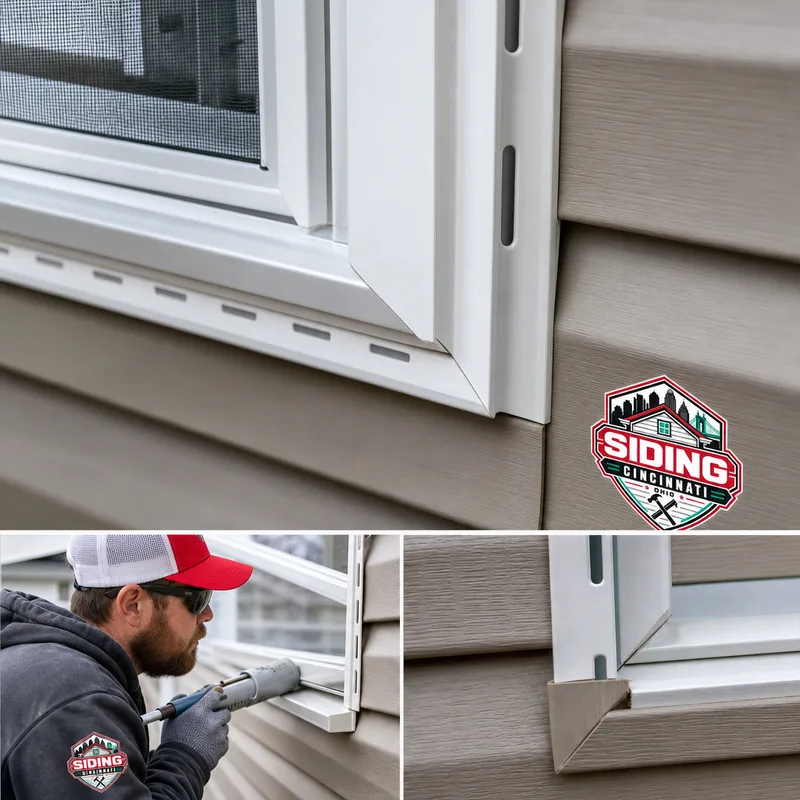
Trim
Corners, J-channel, undersill trim, and utility blocks are installed to look intentional, not improvised. This is where many vinyl jobs start to look patchy.
Penetrations
Dryer vents, bath fans, hose bibs, and exterior lights need proper blocks and sealing so the siding sits flat and water doesn't track behind it.
Repair
If a full replacement is unnecessary, a contractor can evaluate targeted repairs. Matching depends on existing profile, exposure, and color availability.
Planning and pricing
Vinyl siding in Cincinnati typically ranges from about $8,000 to $25,000+ for an average single-family home, depending on tear-off needs, wall height, trim complexity, and the siding grade you choose. Smaller straightforward projects can land lower, while multi-story homes with lots of corners, windows, and detailed trim run higher.
Final price depends most on how much prep is required, including rot repair and sheathing fixes, how many penetrations and transitions need custom trim work, and access around the home. The exact cost is confirmed after an on-site measurement and wall condition check.
Inspection to walkthrough
The contractor measures elevations, reviews existing cladding and trim conditions, and identifies water-risk areas like window heads, roof-to-wall intersections, and wall penetrations.
You get a clear scope that spells out tear-off if needed, prep expectations, trim plan, and the siding profile and color you've chosen so the build matches the quote.
Landscaping and entryways are protected before specified siding is removed and exposed issues are addressed, like damaged sheathing or failed flashing details.
Housewrap and flashing are checked or installed where the build calls for it, especially around windows, doors, and any horizontal breaks.
Starter strips, corners, courses, and trim accessories are installed with correct fastening and expansion clearances, then finish blocks around vents, lights, and hose bibs.
The contractor reviews the exterior, confirms alignment and finish details, and explains basic care.
Course, trim, and transition checks
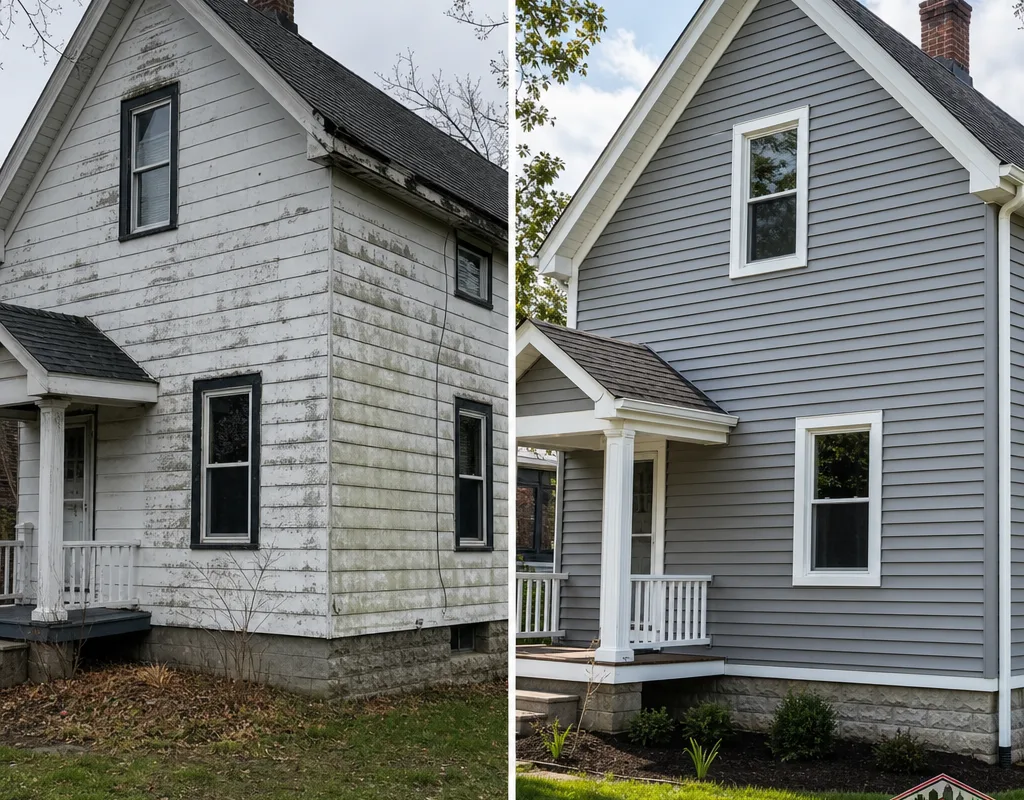
Built for Cincinnati weather
If you want a vinyl exterior that looks straight, sheds water correctly, and holds up to Cincinnati weather, start with a site visit and a written scope that spells out the prep, trim, and finish details.
Call for a Free EstimateHomeowner questions
Most vinyl siding jobs take about 3 to 10 working days depending on home size, tear-off needs, and how much trim work is involved. Cincinnati's spring rain and summer storms can pause exterior work, so contractors should plan around forecast windows and keep the home weather-protected during the project.
Sometimes, but only when the existing surface is flat, structurally sound, and not hiding moisture damage. If the current siding is warped, rotten, or uneven, a tear-off and substrate repair is usually the better long-term choice because vinyl will telegraph bumps and it won't fix water problems behind the wall.
A thicker, premium panel generally feels stiffer and can look flatter on the wall, while thinner economy panels can show waves more easily if the substrate isn't perfect. The contractor can recommend a grade based on wall conditions, the desired look, and exposure to sun and wind.
A weather-resistive barrier is typically part of a properly detailed exterior wall because it helps manage water that gets behind the siding. Even though vinyl sheds most rain, wind-driven rain can still get behind panels at seams and openings, so the layer behind the siding matters.
The contractor should stop, document the condition, and recommend a repair plan before covering anything. This is common around window corners, door thresholds, and roof-to-wall transitions, and it's better to fix it while the wall is open than to hide it under new siding.
Vinyl can hide minor cosmetic issues, but it won't correct a wavy substrate or out-of-square openings. Part of a good Cincinnati vinyl siding replacement is deciding where targeted flattening, trim rebuilds, or small framing corrections make sense so the finished wall reads straight from the street.
Vinyl siding is generally low maintenance, and most homeowners do fine with periodic rinsing and light washing to remove pollen, road film, and mildew shading. Keep gutters and downspouts working, and avoid blasting seams or forcing water up behind panels when washing.
Plan the next step
Share what is being replaced, the desired look, and any trouble spots to request a connection with a local contractor for a written vinyl siding scope in Cincinnati.