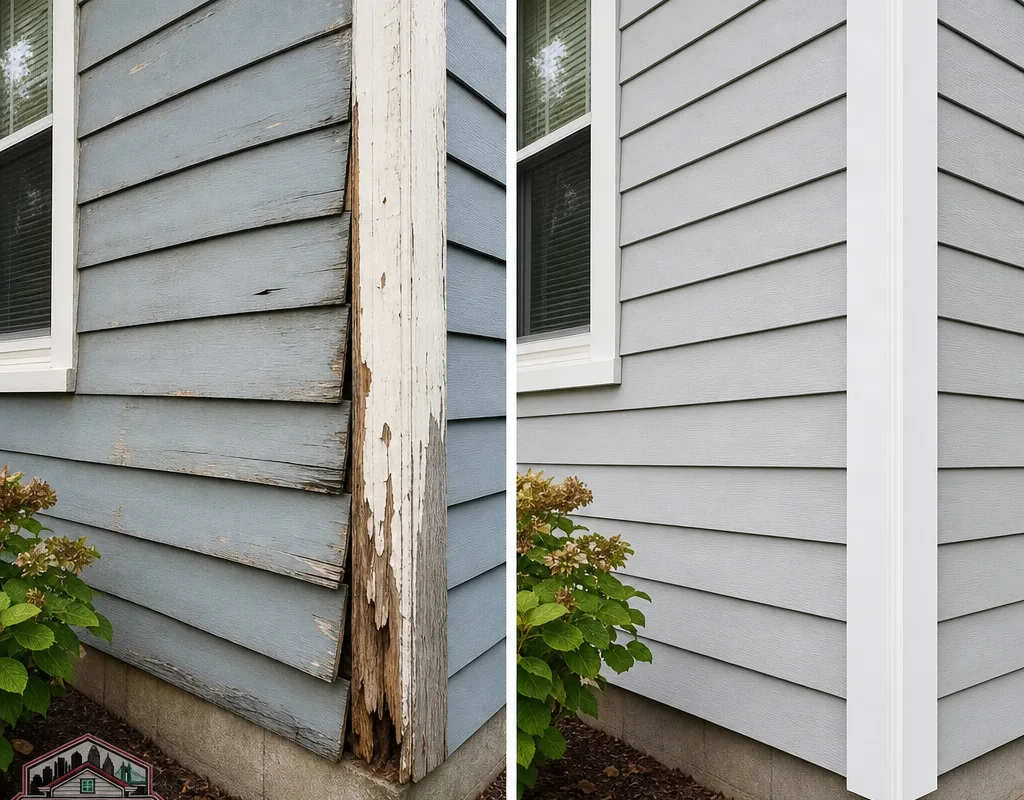
Removal
Tear-off and proper disposal
Existing siding and failing trim components are removed with jobsite protection and debris handling appropriate for a lived-in home.
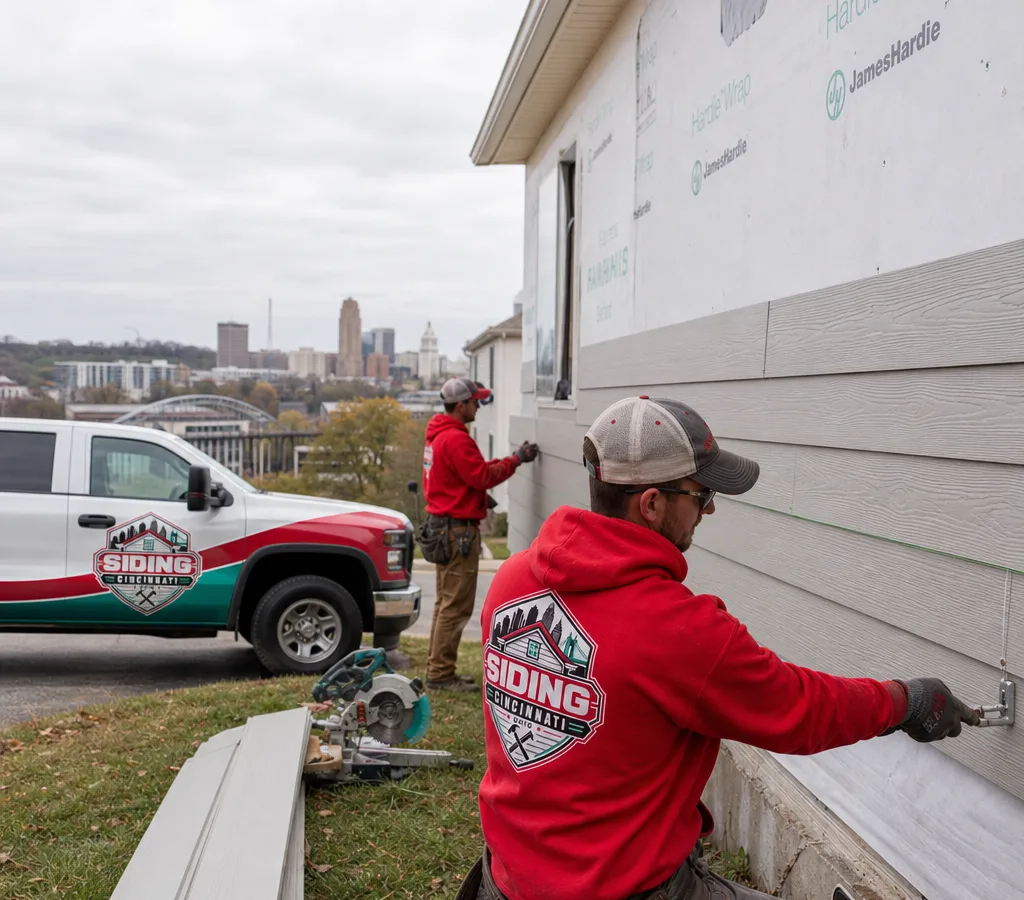
Siding replacement · Cincinnati, Ohio
Replace worn or storm-damaged siding with an install that lays flat, sheds water, and looks sharp from the street. Get a clear scope, material options that fit your home, and a work plan built around Cincinnati weather.
Know when patching is no longer enough
If your exterior is showing widespread cracking, cupping, soft spots, repeated paint failure, or loose panels after wind events, repairs can turn into a cycle. Siding replacement Cincinnati homeowners choose is usually driven by one thing: stopping water from getting behind the cladding and into the wall system.
In Cincinnati, freeze and thaw cycles, heavy rains, and humid summers can expose weak flashing, failed caulk joints, and rotted trim. If you are seeing stains around window corners, swelling at the bottom courses, or insect damage in wood components, it is worth planning a full replacement with proper water management details, not another patch.
Quality replacement work from experienced siding installers in Cincinnati should be measured, detailed, and built to last: remove what is failing, correct the substrate and flashing issues that caused it, then install new siding with consistent reveals and clean transitions at soffits, windows, doors, and decks.
Complete wall-system work
Removal
Existing siding and failing trim components are removed with jobsite protection and debris handling appropriate for a lived-in home.
Substrate
Replacement is the time to address soft sheathing, fastener blow-through, uneven framing lines, and other issues that telegraph through new siding if left alone.
Weather barrier
A continuous WRB, properly integrated flashing at windows and doors, and correctly lapped transitions are what keep bulk water out behind the siding.
Ventilation
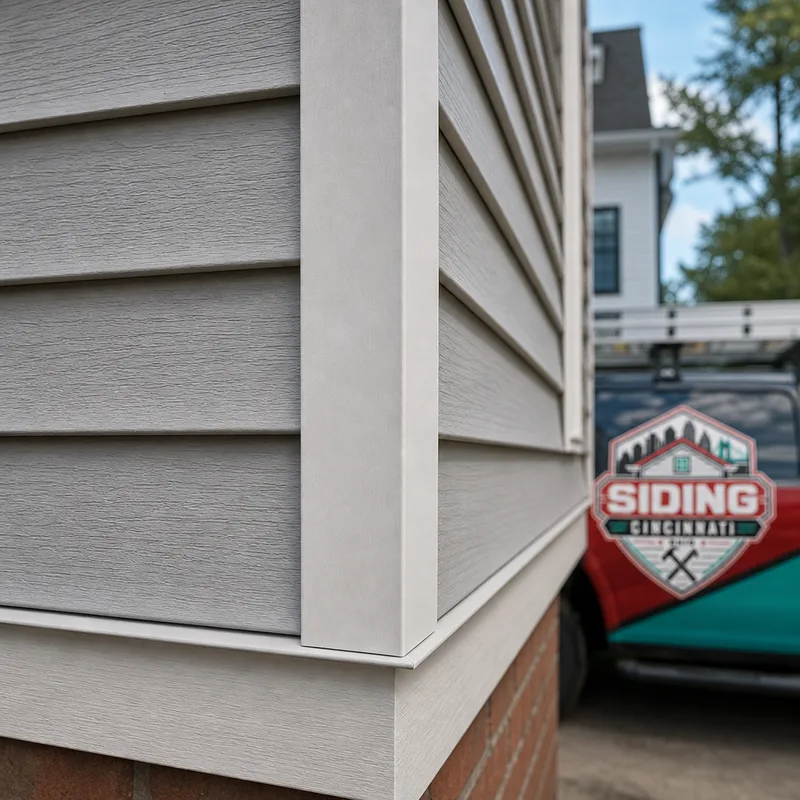
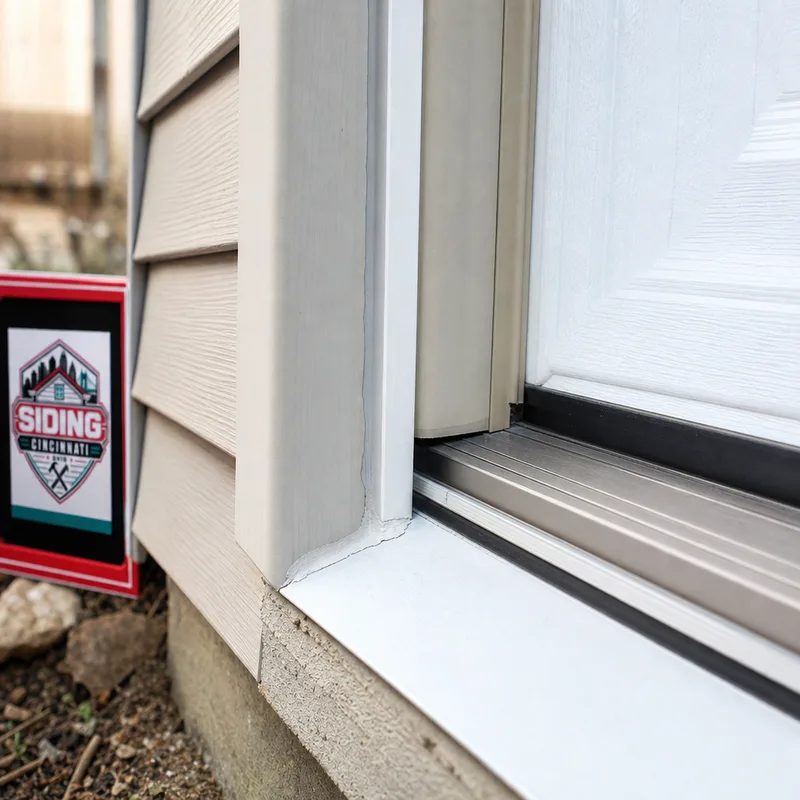
Corner posts, starter strips, J-channels, and venting requirements around soffits and roof intersections need careful attention so the exterior performs, not just looks good.
Alignment
Good siding looks intentional. Courses stay level, seams are planned, and trim returns are crisp so the whole elevation reads clean.
Documentation
You should know what is included, what is excluded, and how product and workmanship warranties apply before work starts.
Exterior options planned for the house
Replacement siding is not one-size-fits-all. A 1920s to 1950s home in neighborhoods like Hyde Park or Oakley often looks best with traditional lap exposure and proportioned trim, while a brick-front or split-level in Anderson Township may call for a different balance of accent areas and full-wall coverage. For hillside streets in Price Hill, access and staging matter just as much as the material choice, because consistent fastening and alignment depend on stable setups.
A contractor can explain common replacement options such as vinyl, fiber cement, or engineered wood, along with profiles like lap, board-and-batten, and shake-style accents. The right choice depends on how the elevation is laid out, sun exposure, maintenance preferences, and how much trim and detail work you want around windows and doors.
If you are still deciding what is realistic for the exterior, review the Siding Cincinnati Ohio overview before discussing examples and expectations with a local contractor. The goal is to land on a system that matches the house and installs correctly for long-term performance.
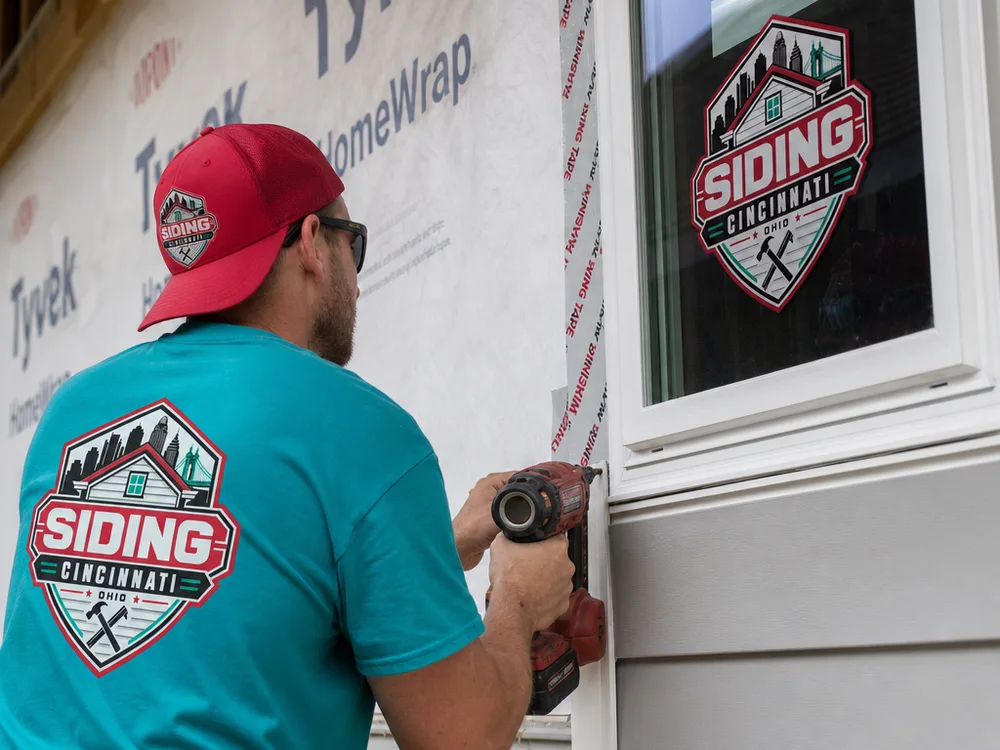
Evaluation to final walkthrough
The contractor inspects the siding, trim, and moisture-prone areas such as window corners, kick-out points, and bottom edges, measure elevations, and note access constraints for ladders, staging, and landscaping.
You get a clear scope with the chosen siding type and profile, trim approach, and any known substrate repairs. Work hours, staging locations, and protection should also be covered.
Existing siding is removed before damaged sheathing and trim are repaired or replaced. Hidden issues and scope changes should be documented before proceeding.
The water-resistive barrier is installed or corrected and flashing integrated at penetrations and openings. Starter strips, corners, and trim bases are set to keep everything square and aligned.
Siding is installed with correct fastening, spacing, and alignment. Trim is finished cleanly at windows, doors, soffits, and transitions so the exterior looks consistent from every angle.
The contractor conducts a walkthrough, addresses punch-list items, and leaves the property tidy. You also get warranty information and basic care guidance for the material you chose.
Planning and pricing
Siding replacement in Cincinnati typically ranges from about $12,000 to $35,000+ for an average home, with smaller partial replacements sometimes starting around $4,000 to $9,000. Material choice—vinyl, fiber cement, or engineered wood—the amount of trim work, and whether you are replacing soffit or fascia can move the total up or down.
Final pricing depends on square footage, number of openings, wall height, tear-off layers, substrate repairs, and access such as steep grades, tight side yards, or heavy landscaping. The exact cost is confirmed after an on-site evaluation and measurements.
Homeowner questions
Most siding replacement projects take about 5 to 12 working days depending on home size, material, weather, and how much trim and substrate repair is needed. Cincinnati rain and humidity can pause tear-off and WRB work at times, so the contractor should plan sequencing to keep the building envelope protected during the job.
Yes. Replacing or correcting the water-resistive barrier and integrating flashing at windows, doors, and penetrations is a core part of a proper replacement. New siding installed over compromised WRB or poor flashing details can still allow water behind the cladding, even if the exterior looks new.
Partial siding replacement is possible when damage is limited to specific elevations and the remaining siding is still serviceable and matchable. The key is tying the new work into existing details cleanly and making sure the water-management layers are continuous across transitions.
Common cost drivers are taller walls that require more staging, a lot of window and door openings, extensive trim replacement, multiple layers to tear off, and hidden substrate rot discovered after removal. Homes on steep lots or with tight access also take longer to work on safely and accurately.
Yes, landscaping protection is part of responsible siding replacement work. The contractor should plan debris drop zones, protect plantings and hardscapes where practical, and keep access paths controlled so day-to-day use of the property is still manageable during the project.
Permit requirements can vary by municipality and the scope of work, especially if structural repairs are involved. During the estimate, ask the contractor what the local jurisdiction may require and how the project scope affects permitting.
Plan the next step
Share what you are seeing and the desired exterior appearance to request a connection with a local contractor who can inspect the problem areas and provide a written scope.